

Saved, Backed Up, and Preserved: What’s the Difference?
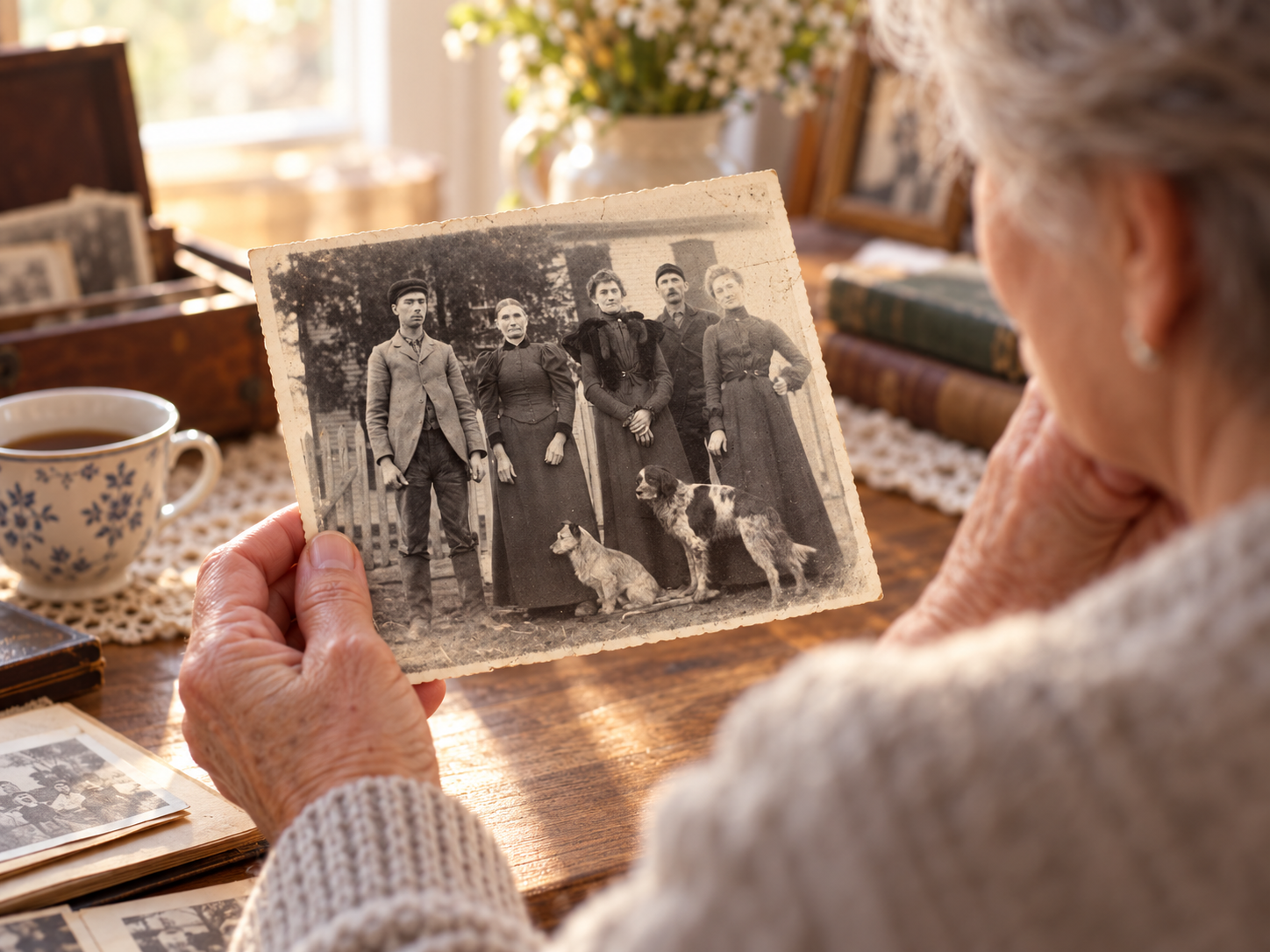
Looking through old photographs can be the first step in preserving both the image and the story behind it.
We save photos all the time.
They live on our phones, computers, cloud accounts, in albums, boxes, and drawers. Once they are there, it is easy to assume they are safe.
But saved, backed up, and preserved are not the same thing.
A photo is saved when it exists somewhere.
A photo is backed up when another copy exists somewhere else in case the original is lost or damaged.
A photo is preserved when we protect not only the image, but also the information and story connected to it.
That last part is easy to overlook.
A photograph can survive for years and still lose much of what made it meaningful.
Backup Protects the Image
Backing up is an important part of protecting your photos.
For important photographs, I personally like the 3-2-1 approach: keep multiple copies, use more than one type of storage, and keep one copy somewhere separate.
That can apply to printed or digital photographs. A treasured print, for example, might have the original, a digital scan, and another copy stored somewhere outside the home.
That helps protect the image itself.
But even a perfectly backed-up photograph can still lose something important.
Its story.
The Story Is What Gives the Photo Meaning
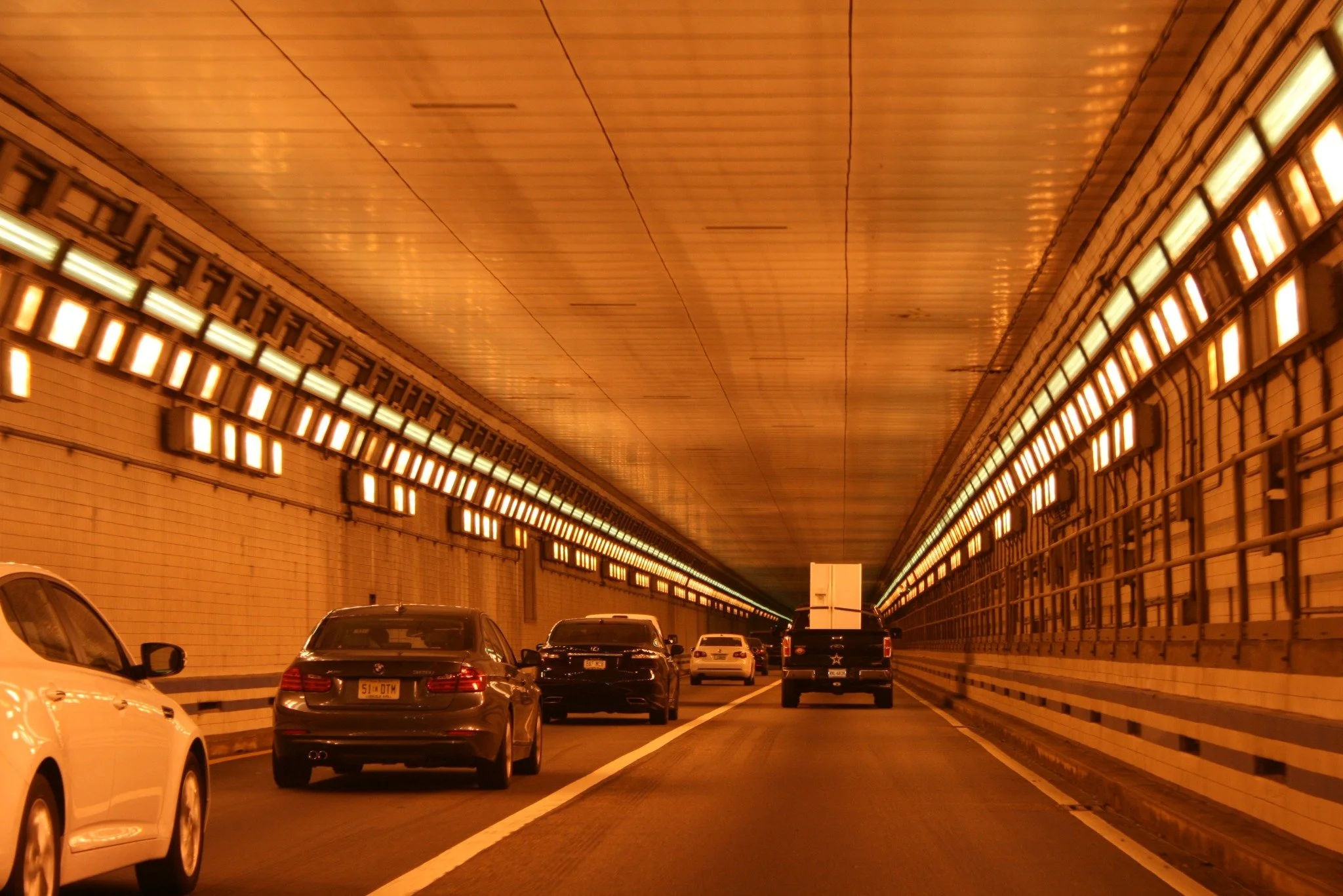
At first glance, this may look like an ordinary photo of traffic in a tunnel, but for me it holds a very specific memory from a meaningful family trip.
Earlier this week, I shared a photograph from a family trip to Virginia.
At first glance, it is just a picture of traffic inside a tunnel.
But for me, it marks a first.
We were staying in the Historic Yorktown area during a very meaningful trip — it was the first time I met one of my bonus children. On this particular day, we were heading toward Virginia Beach when we drove through the Hampton Roads Bridge-Tunnel.
It was the first underwater traffic tunnel I had ever been through, and I remember being fascinated by the idea that we were driving under the water.
Of course, I took a picture.
I’m sure if my children saw that photo by itself today, it would mean very little to them. It would probably just look like traffic in a tunnel.
But to me, it is tied to that trip, that first experience, and a much bigger family memory.
That is why preserving the story matters. The photo may survive, but the meaning behind it can disappear unless we leave something behind to explain it.
The Story Can Disappear Before the Photo Does
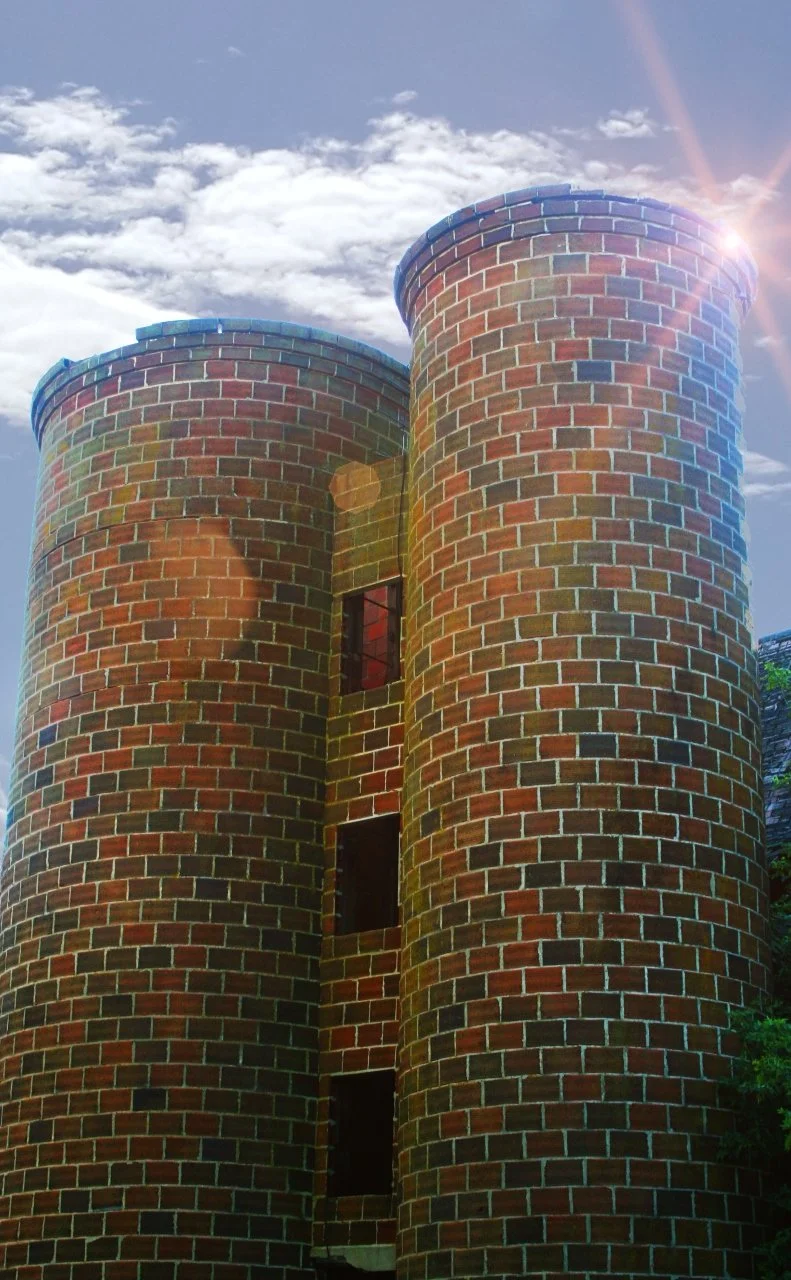
Sometimes a photo survives, but the reason we took it fades. I know this was from a trip, but I no longer remember exactly where it was or what I meant to capture.
We usually know the details when a photo is new. We know who is in it, where it was taken, and why it mattered.
But those details do not always stay with the photograph.
Over time, names are forgotten. Dates become uncertain. Family members who knew the story are no longer there to tell it.
That is how an old photograph can slowly turn into:
“I think that might be Grandma.”
“That could be one of her sisters.”
“I’m not sure where this was taken.”
The picture survived.
The story did not.
And sometimes that story is the most valuable part.
Preservation Does Not Have to Be Complicated
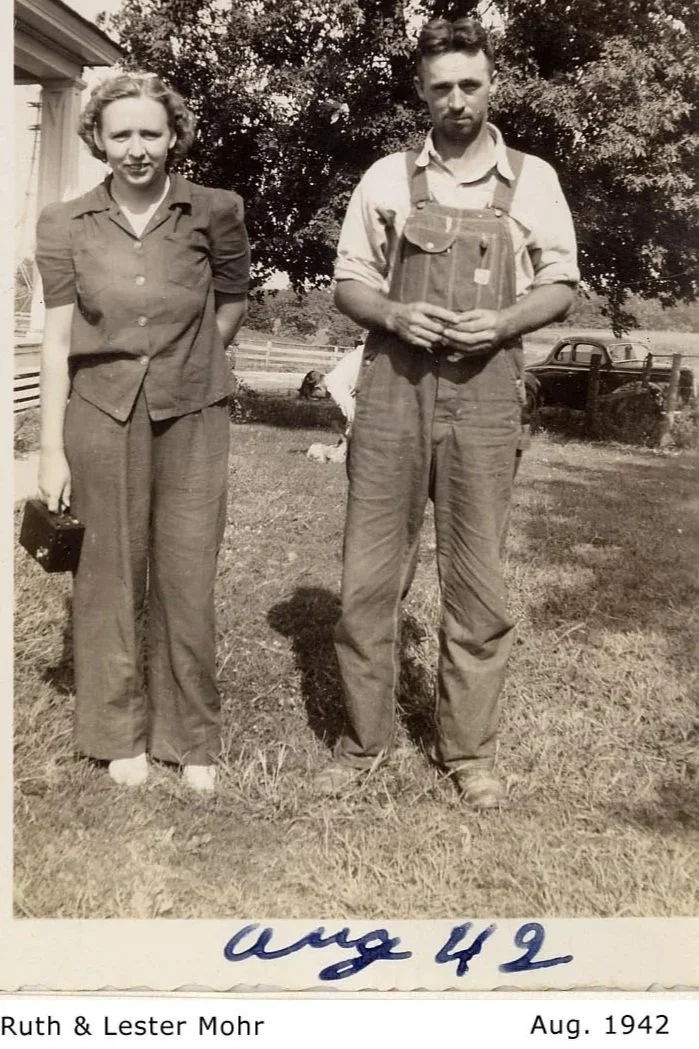
Sometimes preservation is as simple as keeping names and dates with a photograph.
Preserving the story does not mean writing a paragraph about every photo.
Sometimes a few simple details are enough: names, dates, locations, relationships, or a short note about why the moment mattered.
For printed photographs, that might mean adding identifying information using a photo-safe method, keeping notes with the album, or scanning the front and back of an important photo if there is handwriting on it.
For digital photos, it might mean adding a caption, improving a filename or folder name, or keeping a short story with the collection.
The goal is simply to leave enough information that someone else can understand the photo later.
Think About the Person Who Comes Next
One of the best questions you can ask is:
Would someone else understand this photograph if I were not here to explain it?
That could be your child, grandchild, niece, nephew, or another family member years from now.
If the answer is no, that photo may need more than a safe place to live.
It may need its story preserved too.
One Small Step During Save Your Photos Month
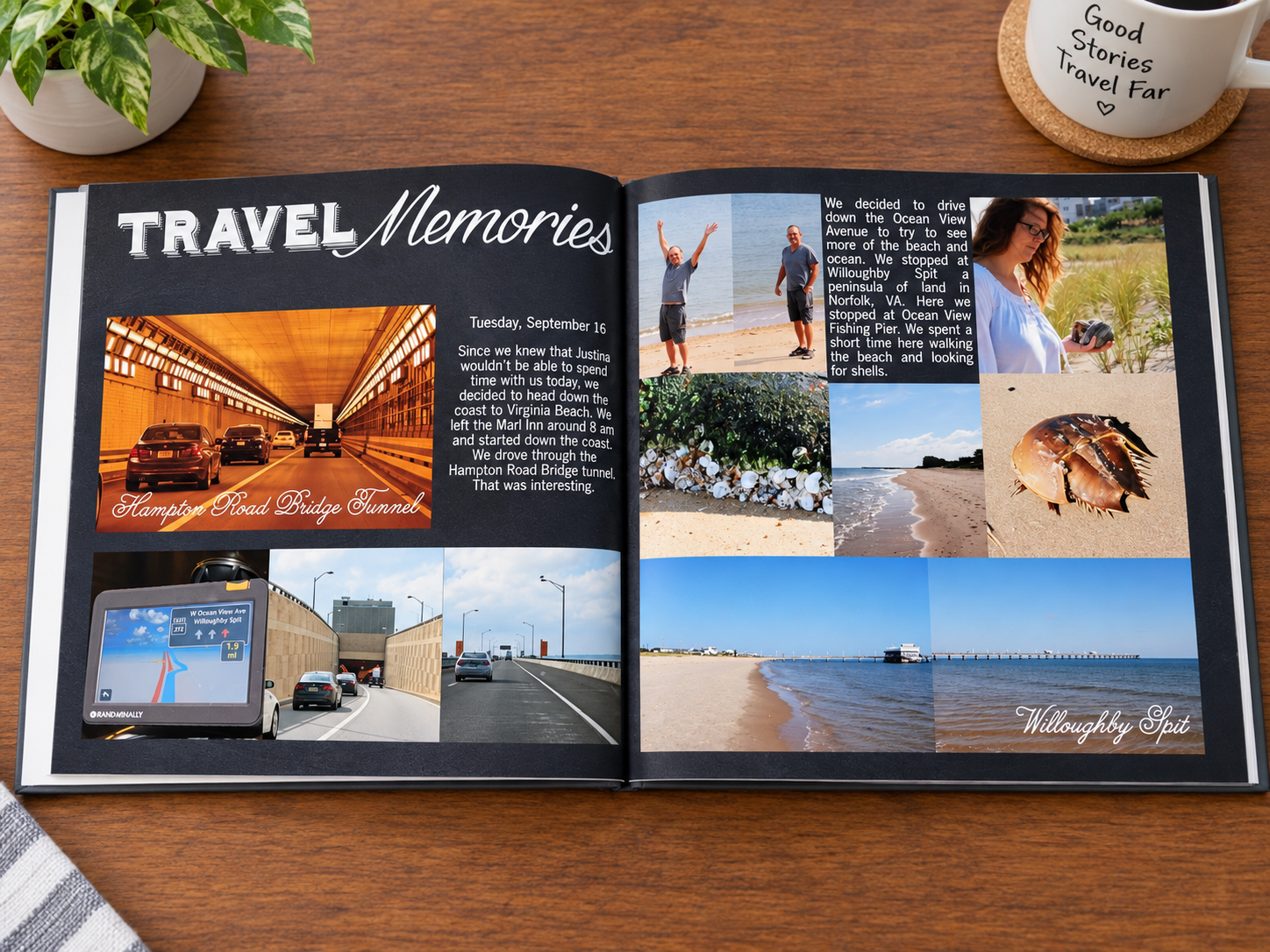
A photo becomes even more meaningful when its story is preserved alongside it.
You do not have to tackle your whole collection.
Choose one photograph or one small group of photos and add something that will help explain them later.
Write down names, add an approximate date or location, ask someone to identify the people, or record a short story connected to one special photograph.
Even one small detail can keep a memory from becoming a mystery.
Because saving the photograph is important.
Backing it up helps protect it.
But preserving the story is what helps the photograph continue to mean something.
