

The holidays have a way of bringing people together. Families gather around the table, share favorite meals, remember past celebrations, and tell stories that sometimes haven't been heard in years.
And often, all it takes is an old photograph to get those stories started.
Maybe someone pulls out a picture of Grandma standing in front of her childhood home. Someone remembers the house, another person recognizes the neighbor standing beside her, and before long, everyone is sharing memories.
Those conversations are more than just a fun trip down memory lane. They are opportunities to preserve the stories that give our family photographs meaning.
With the holidays approaching, this is a wonderful time to gather a few photos and ask the questions you've been meaning to ask.
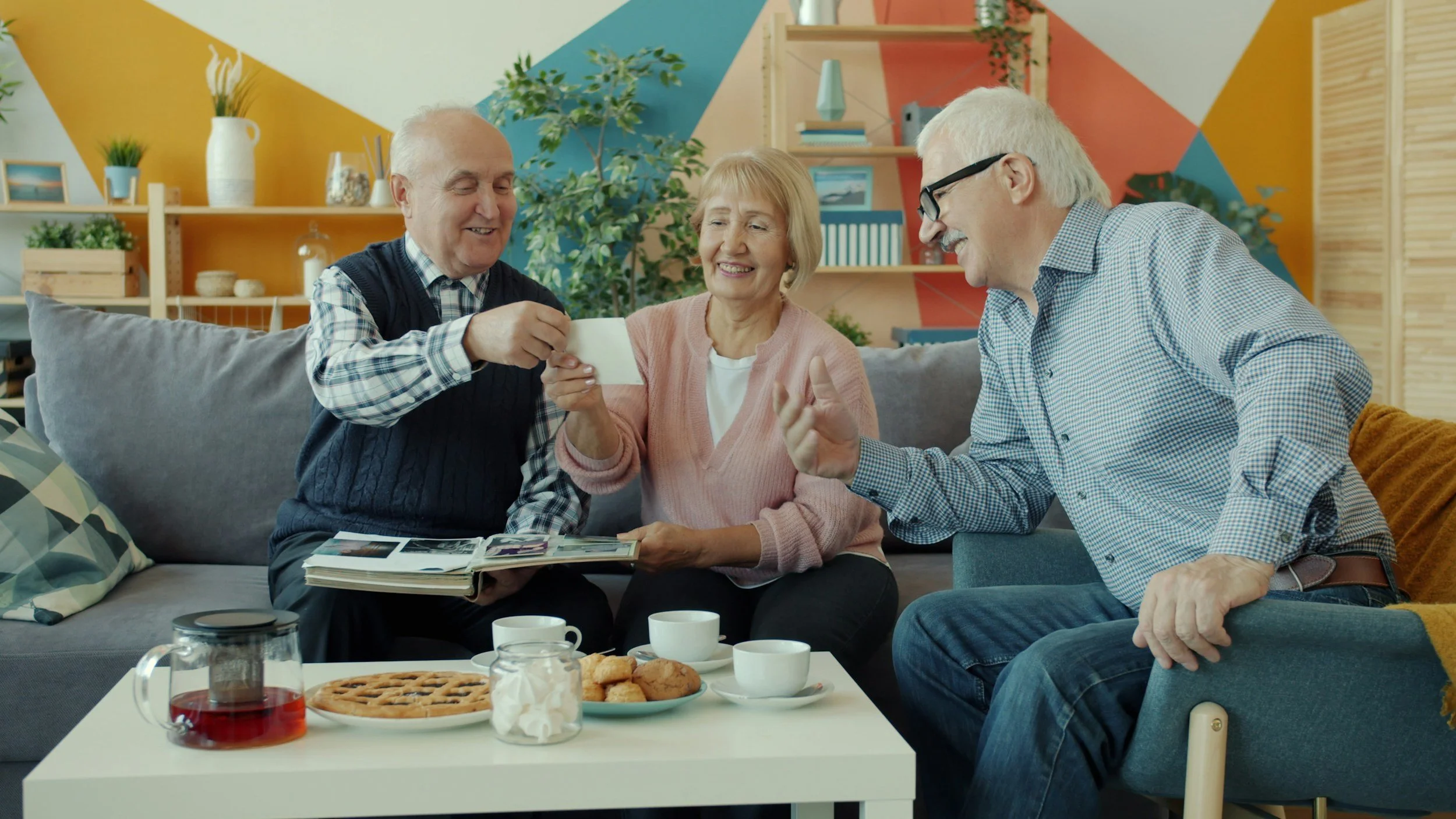
Why Waiting Can Be Risky
Most of us have photographs tucked away in boxes, albums, or drawers that we would love to know more about.
We might recognize a face but not remember a name. We may know a photograph was taken at a family gathering but have no idea what year it was. Sometimes we don't even know how the people in the picture are connected to our family.
It's easy to think we'll ask about those pictures someday.
But memories fade. Small details become harder to recall, and the family members who know the stories may not always be available to tell them.
Once those stories are gone, a photograph may be all we have left.
Taking a little time to ask questions now can preserve details that future generations might never discover on their own.
Start With a Small Stack of Photos
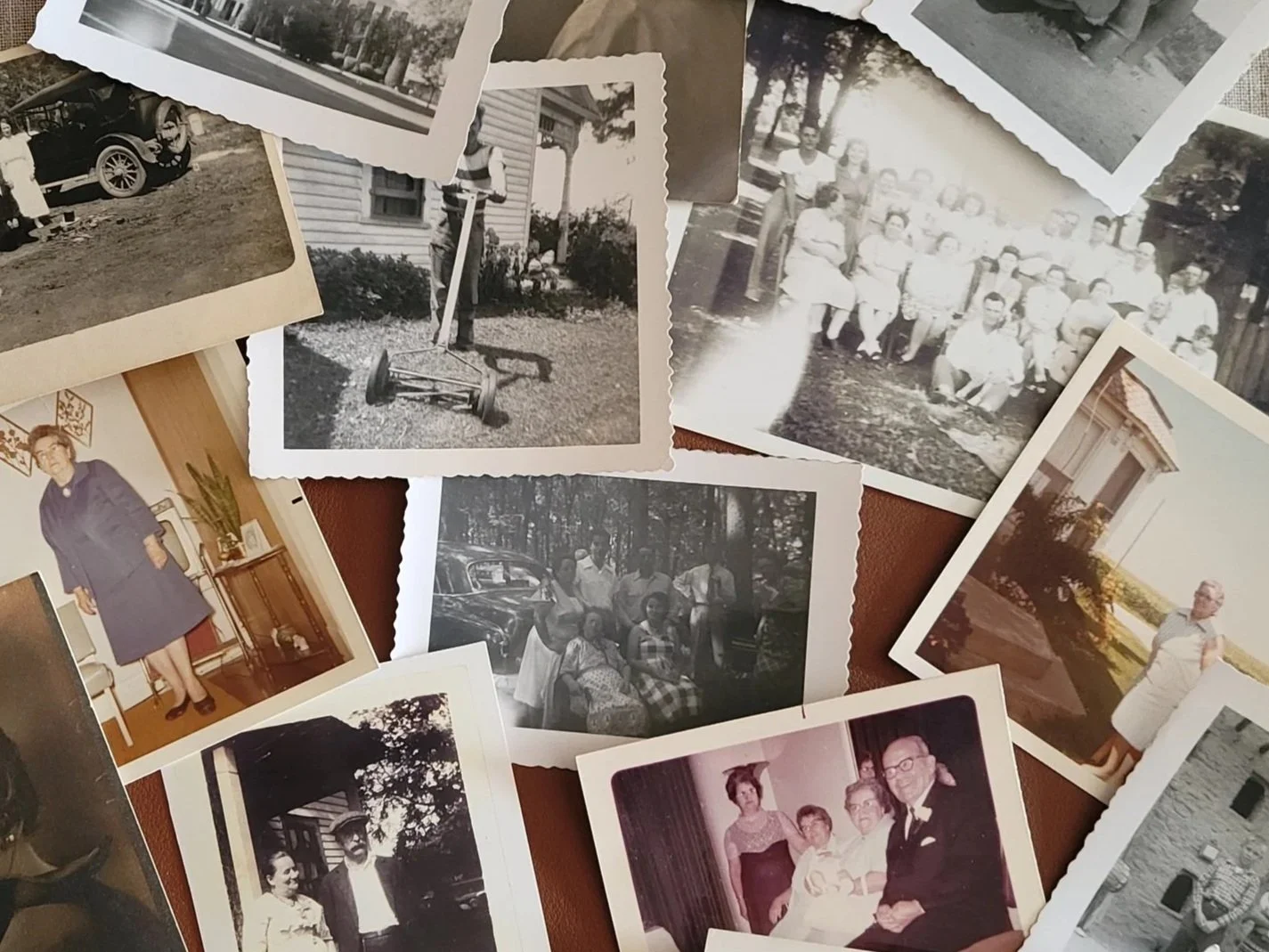
You don't need to bring every box of photographs to Thanksgiving dinner or turn Christmas afternoon into a major organizing project.
In fact, keeping things simple will probably make the experience more enjoyable for everyone.
Before your family gathering, choose 10 to 20 photographs you'd like to know more about.
Look for pictures that raise questions. Perhaps there's someone you can't identify, a family home you've never seen, or a gathering you don't remember hearing about.
You might choose photographs of:
Relatives whose names you've forgotten or never knew
Old family homes, farms, or businesses
Weddings, reunions, and holiday celebrations
Family members when they were young
Everyday moments that might have an interesting story behind them
You don't need to know everything about each picture. That's the reason you're bringing them along.
And sometimes, the most ordinary photograph brings back the most wonderful memories.
Make It Easy for Everyone to Participate
There's no need to make a special announcement or gather everyone for a formal photo identification session.
Simply leave a few photographs on a table where people can pick them up and look through them.
Or bring along an old album and pass it around while everyone is relaxing after dinner.
You might be surprised how quickly someone says, "Oh, I remember that!"
If you have a relative who doesn't enjoy large group conversations, find a quieter moment to sit together and look through a few pictures.
Sometimes one-on-one conversations lead to stories that might not come up in a larger gathering.
The goal isn't to get through every photograph. It's to give people an opportunity to share what they remember.
Record the Details While They're Fresh
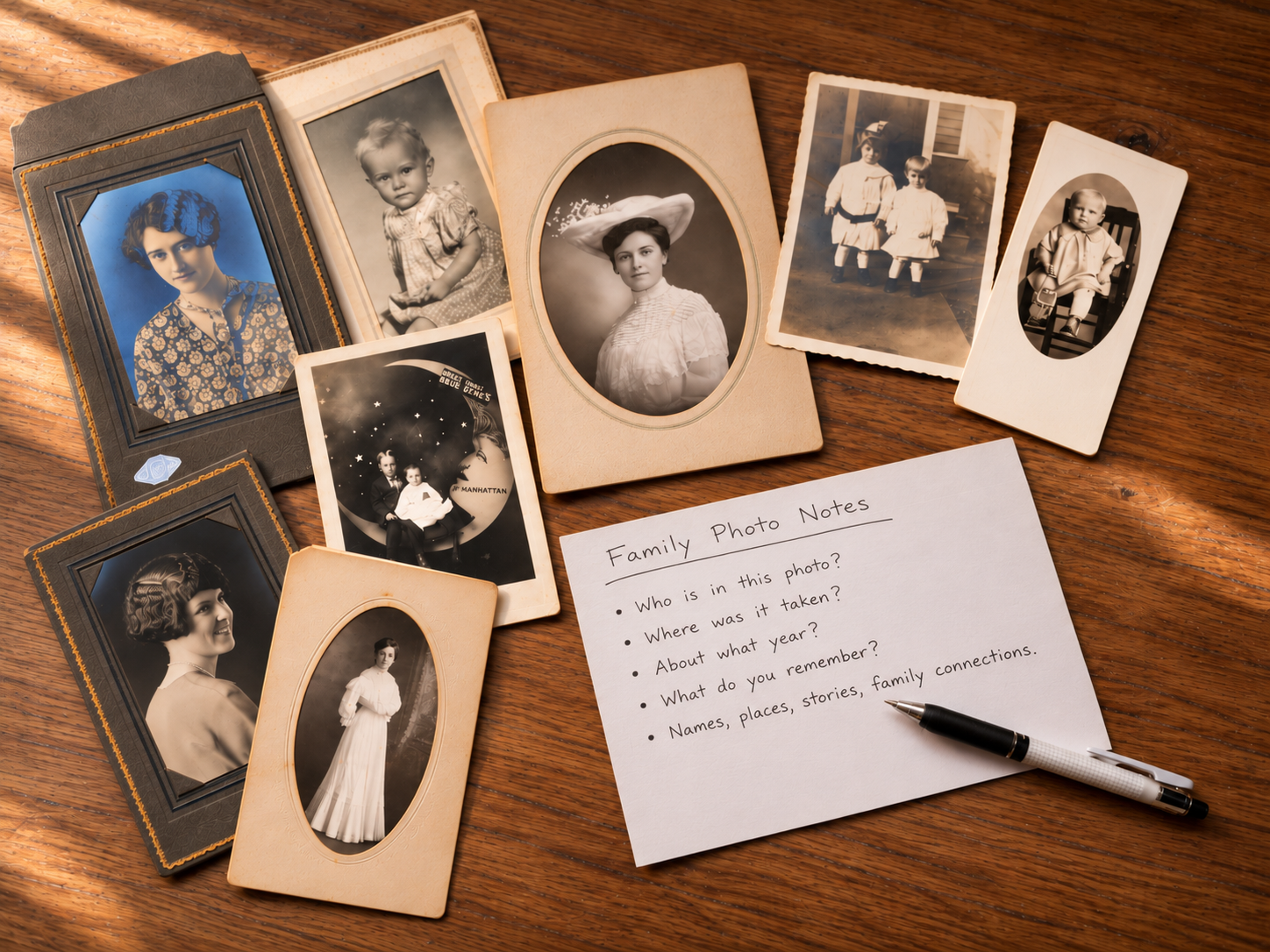
As stories begin to unfold, try to capture what you hear.
You don't need anything complicated. A notebook, your phone's notes app, or a simple voice recording can help you remember the details later.
Pay attention to more than just names and dates.
Some of the most meaningful things to record include:
Names and relationships: Who is in the photograph, and how are they connected?
Places: Where was the picture taken? Was it a family home, vacation spot, or special gathering place?
Approximate dates: Even a general year or decade can be helpful.
Personal stories: What was happening when the photograph was taken?
Funny details: Was there something that happened that everyone still laughs about?
Family traditions: Does the photograph remind someone of a holiday custom, favorite recipe, or special celebration?
Corrections: Did someone identify a person or place differently than what was previously written on the photograph?
If you're making a voice recording, be sure to ask permission first.
And if family members remember things differently, write down both versions rather than immediately deciding which one is correct. Those differences may give you something to research later.
One helpful habit is to photograph each original picture with your phone before recording its details. That way, you'll know exactly which story belongs with which photograph.
Keep the Conversation Relaxed
One of the nicest things about gathering family photo stories during the holidays is that the conversations can happen naturally.
You don't have to prepare a long list of questions or make anyone feel like they're being interviewed.
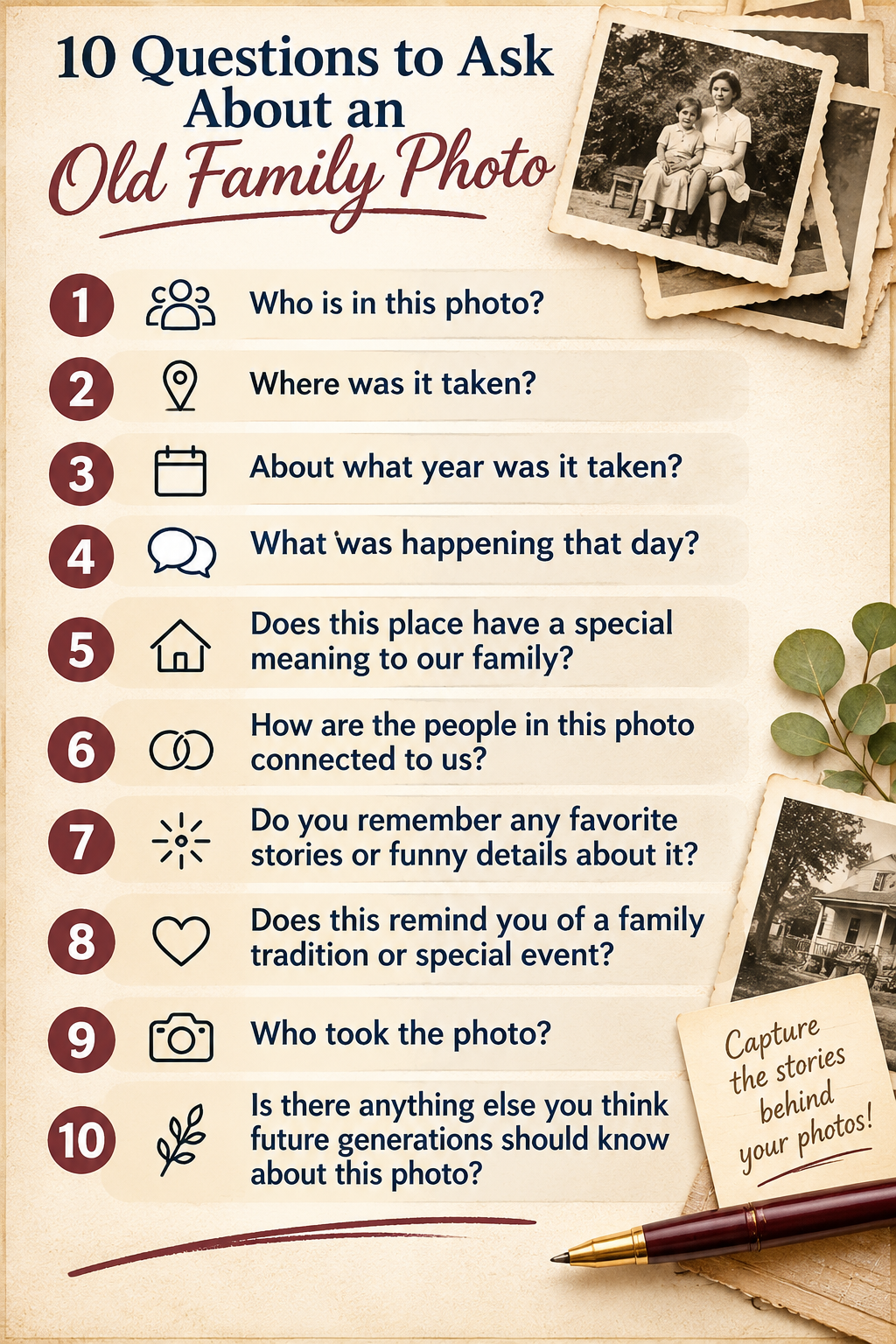
Sometimes a simple question is enough:
"Do you remember where this was taken?"
"Who is standing next to Grandpa?"
"What was Christmas like when you were little?"
"Do you remember anything about this house?"
And sometimes, the best thing you can do is simply listen.
One memory might lead to another. A photograph of a childhood home might bring up stories about the neighborhood, family pets, holiday traditions, or the people who lived nearby.
Those little details help turn a collection of photographs into a family story.
Don't worry if you only get through five pictures instead of twenty. The conversations themselves are what matter.
This Holiday Season, Gather More Than New Photos
We naturally take lots of photographs during the holidays. We capture the grandchildren opening gifts, everyone gathered around the table, and the special moments we want to remember.
But the holidays are also an opportunity to learn more about the photographs we already have.
A small stack of old pictures and a few simple questions can help preserve names, memories, and family connections that might otherwise be forgotten.
You don't need to organize your entire photo collection first. You don't need to have everything labeled, scanned, or sorted.
Just start with a few pictures and the people who remember them.
And when you're ready to bring those photographs and stories together, Mohr to Life can help turn them into a photo book your family can enjoy and share for generations.
From scattered snapshots to stories worth sharing.
