

What Makes a Photo Book Meaningful?
A photo book is more than pictures placed on pages.
It may begin with a folder full of photographs. There may be vacation pictures, holiday photos, professional portraits, everyday snapshots, and images someone quickly took with a phone.
But simply putting those pictures into a book does not automatically make the book meaningful.
The meaning comes from the thought behind it.
It comes from choosing the moments that represent the people, relationships, experiences, and feelings you want to remember.
A beautiful layout can make a book enjoyable to look at. But it is the story within those pages that makes someone want to return to it again and again.

A Photo Book Is Not Just a Place to Store Pictures
When people begin creating a photo book, it is easy to think the first step is uploading all their pictures and arranging them by date.
Chronological order can certainly help create structure. It lets us see what happened first, what came next, and how a season or experience unfolded.
But dates alone do not always tell us why those moments mattered.
A folder of photographs may contain hundreds or even thousands of images. Some will be nearly identical. Others may be technically beautiful but add very little to the larger story.
If every image is placed into the book simply because it was taken, the moments that matter most can become lost among everything else.
A thoughtful photo book makes choices.
It considers which photographs help show what happened, who was involved, what changed, and what made that time meaningful.
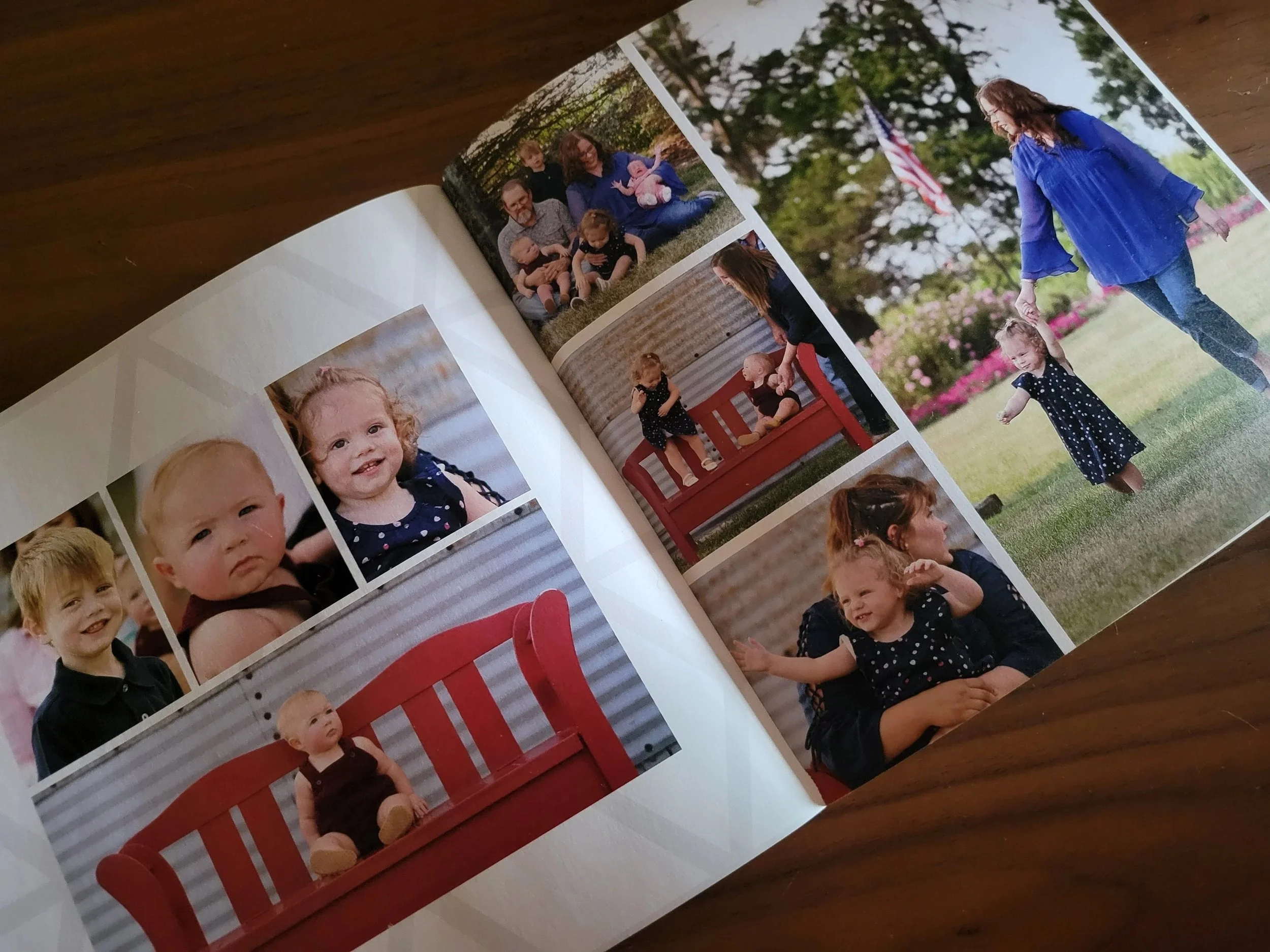
Meaningful Moments Matter More Than Perfect Photographs
The best photograph is not always the most technically perfect one.
Sometimes the picture that means the most is slightly blurry.
Maybe the lighting is not quite right. Someone may be looking away from the camera. The room might be messy, or the photograph may have been taken quickly before the moment disappeared.
But that imperfect picture may be the only one that shows a certain expression, relationship, place, or part of everyday life.
A beautifully posed family portrait may deserve an entire page in a book. But the phone picture of a grandchild curled up beside a grandparent may preserve a feeling that no posed photograph could recreate.
Technical quality matters, especially when a photograph will be enlarged. But it should not be the only reason a photograph is included or left out.
Sometimes the value of an image is not found in how perfect it looks.
It is found in what it helps someone remember.
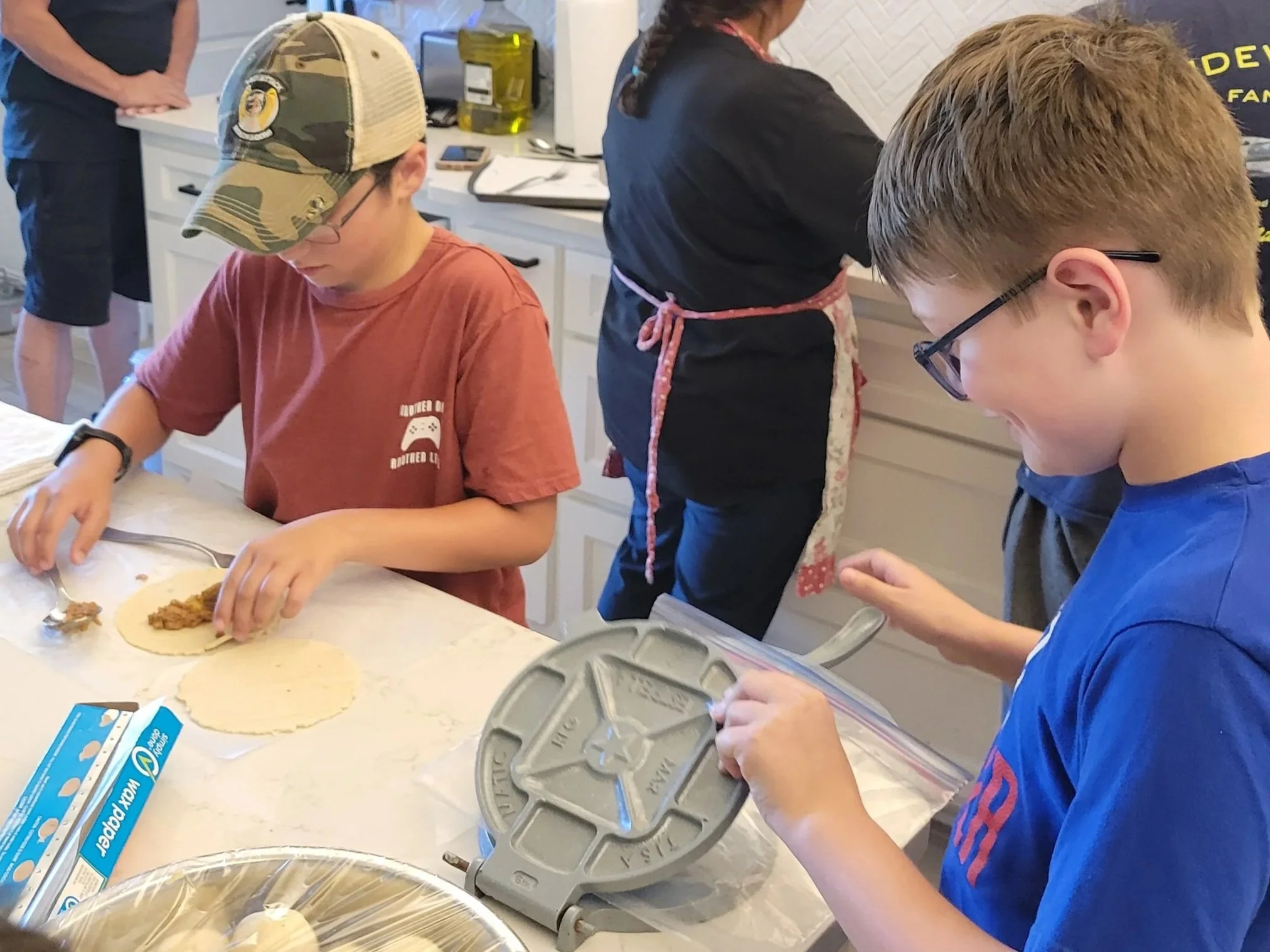
Everyday Life Belongs in the Story
Most people naturally remember to photograph the big occasions.
We take pictures at birthdays, weddings, graduations, vacations, holidays, new babies, and family reunions.
Those photographs are important. They document the milestones that help mark the passing of time.
But those occasions are only part of a life.
The ordinary moments often become some of the most meaningful photographs later.
It might be a child sitting at the kitchen table doing homework, a favorite toy left on the floor, or a pet sleeping in its usual place.
It could be a familiar room, a bedtime routine, a backyard where the family spent summer evenings, or the way everyone gathered in the kitchen while a holiday meal was being prepared.
At the time, those details may not feel important enough to photograph.
Years later, they may be the details someone wishes they could see again.
Including everyday moments alongside milestones makes a photo book feel like a real life rather than a collection of special occasions.
Those smaller details help preserve the feeling of a home, a relationship, a childhood, a trip, or a particular season.

Context Helps Bring the Story to Life
We often believe we will always remember the story behind a photograph.
We know the names, the location, the year, and what was happening just before or after the picture was taken.
But details fade.
Future generations may not recognize every person. Children may not remember the homes they lived in when they were young. A photograph from a family trip may show a beautiful location without explaining why that stop was important.
A small amount of context can preserve information the picture cannot communicate by itself.
That might include: names, dates, ages, locations, relationships,
family sayings, short captions, a favorite memory, the story behind an ordinary photograph.
Not every photograph needs a long explanation.
Sometimes a name and date are enough. Sometimes one sentence can turn an unfamiliar image into a meaningful family story.
A caption could explain that this was the last vacation taken with a grandparent. It could identify the recipe everyone was making in the kitchen. It might record the funny thing a child said or explain why a seemingly ordinary place was visited every summer.
Those details help the people looking at the book today. They also help someone understand the story many years from now.
A Group of Photographs Can Tell More Than One Picture
A single photograph captures a moment.
A thoughtful collection of photographs can show an entire story.
One image may show the beginning of a trip. Another may show the little stops made along the way. A photograph of a ticket, map, sign, or handwritten note can add details that would otherwise be forgotten.
Together, the photographs begin to show more than where someone went.
They show what the experience felt like.
The same is true for a family yearbook, a child’s school book, a wedding album, or a book remembering someone’s life.
The story may come from the way photographs are placed in sequence. It may come from mixing large moments with small details or showing how someone or something changed over time.
Sometimes the story is created through photographs of the people involved. Other times it is strengthened by scanned memorabilia, captions, journal entries, drawings, recipes, or handwritten notes.
Each individual piece may seem small.
Together, they create a fuller picture than any single photograph could provide.
The Design Should Support the Story
A photo book should be attractive, but the design should not compete with the memories.
The layouts, colors, backgrounds, fonts, and decorative elements should help guide someone through the book.
They should give important photographs room to stand out while allowing groups of smaller photographs to work together.
Some pages may need only one photograph.
Other pages may need several images to show the progression of an event or capture all the details of a busy day.
The goal is not to fill every available space.
It is to create a natural rhythm that makes the book easy to follow and enjoyable to revisit.
The design supports the photographs, but the photographs and their story remain the heart of the book.
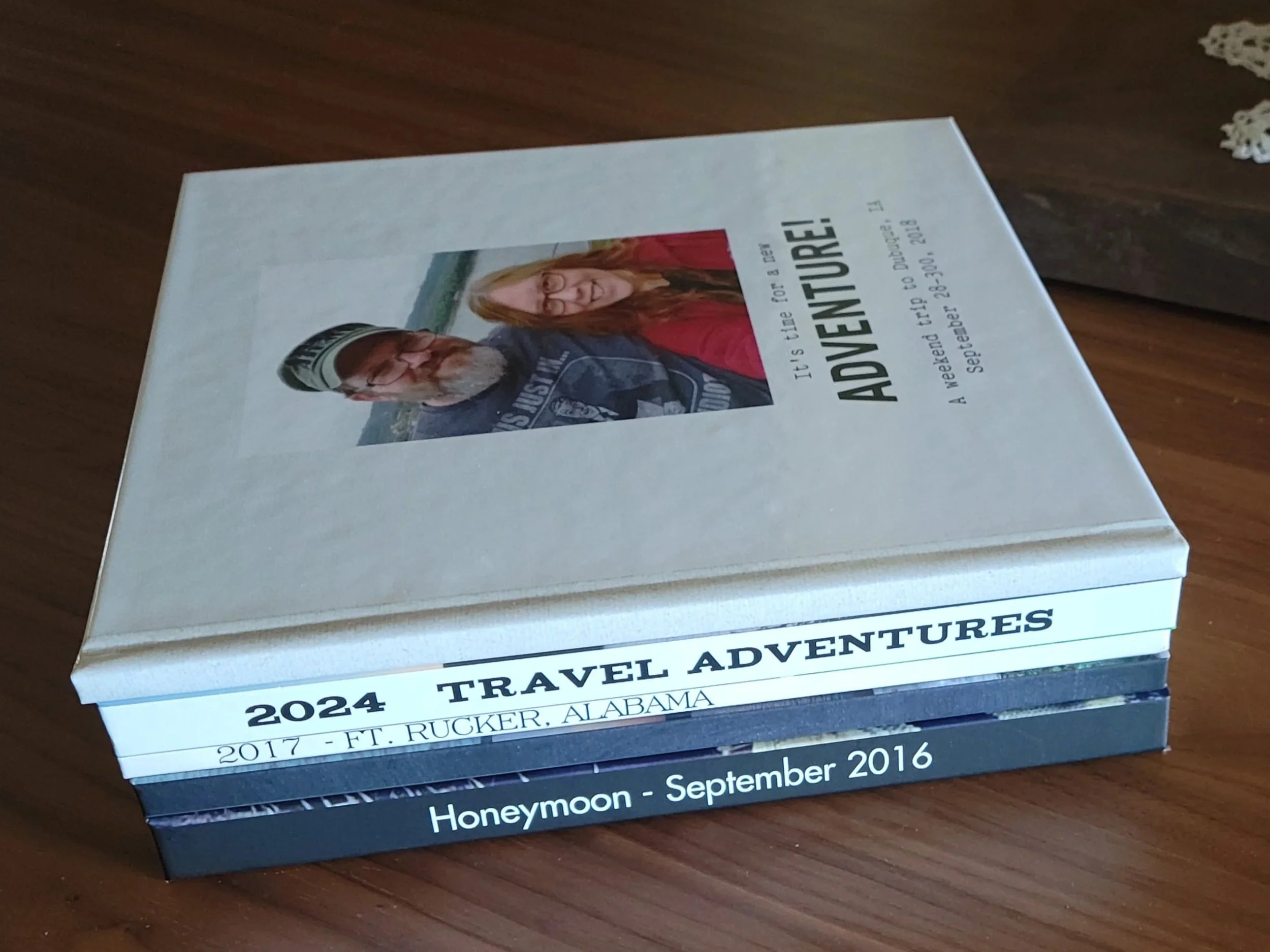
The Most Meaningful Books Preserve a Feeling
Years from now, someone may open a photo book without remembering every date or detail.
But the right photographs, words, and small pieces of context can bring back something deeper.
They can help someone remember how a home felt.
They can bring back the personality of a person, the excitement of a trip, the ordinary routines of childhood, or the closeness of a family during a particular season.
That is what makes a photo book meaningful.
It is not only a record of what people looked like or where they went.
It is a way to preserve the relationships, details, and emotions connected to those photographs.
The most meaningful photo books do more than show us what happened.
They help us return to what it felt like.
Do you have photographs you would love to turn into something more meaningful, but you are not sure how to bring the story together?
I help families move beyond simply placing pictures on pages. Together, we can create a custom photo book that preserves the moments, details, and memories that matter most.
